

Pregnancy care during the first trimester of IVF.
In Vitro Fertilization (IVF) is a specialized method designed to assist subfertile and infertile couples in conceiving. An IVF pregnancy is considered unique; therefore, the care and monitoring process is relatively complex, requiring more attention and effort than a natural pregnancy, especially during the first trimester.
So, how should you care for an IVF pregnancy during the first three months, and what should parents keep in mind during this sensitive period?
1. General Information About In Vitro Fertilization
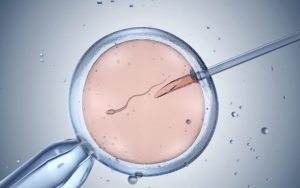
In Vitro Fertilization (IVF) is a method of creating embryos in a laboratory by combining an egg and sperm. This is a specialized assisted reproductive technology (ART) for couples experiencing infertility. The father’s sperm is incubated with the mother’s eggs to allow fertilization to occur within a few hours. Once embryos are formed, clinicians transfer them into the mother’s uterus.
IVF is a complex obstetric procedure. Consequently, once successful conception is achieved, prenatal care requires more diligence than natural conception—particularly during the first trimester—to ensure a successful full-term pregnancy and a healthy baby.
2. Caring for IVF Pregnancies in the First Trimester
2.1. Essential Prenatal Checkup Milestones
Post-Embryo Transfer Stage: Before beginning the prenatal care regimen, women must undergo specific tests to confirm that the embryo has successfully implanted in the uterine lining. The most common and accurate test is checking the beta HCG levels in the mother’s blood, typically performed about 2 weeks after the embryo transfer.
The results are interpreted as follows:
-
Beta HCG < 5 IU/L: Not pregnant.
-
Beta HCG 5 – 25 IU/L: Potential pregnancy (requires follow-up).
-
Beta HCG > 25 IU/L (or > 100 IU/L): Confirmed pregnancy.
Once the pregnancy is confirmed, mothers must adhere to a regular schedule of prenatal exams and ultrasounds to monitor fetal development.
Prenatal Milestones in the First Trimester (Weeks 1 to 13+6 days):
-
Around Week 5: Screening for mother-to-child transmission diseases (HIV, Hepatitis B, Syphilis, Rubella), complete blood count (CBC), blood glucose, blood typing, urinalysis, and an ECG. Crucially, an ultrasound is performed to locate the gestational sac and confirm the number of implanted embryos.
-
Weeks 7 – 10: Ultrasound to check for a fetal heartbeat, determine gestational age, and establish an estimated due date (EDD).
-
Weeks 11 – 13+6 days: A vital window for the Nuchal Translucency (NT) scan combined with the Double Test to screen for congenital anomalies and chromosomal abnormalities (e.g., Down syndrome).
2.2. Comprehensive Care Strategies
Relaxation and Daily Routine
In the initial days following the embryo transfer, it takes time for implantation to complete. Mothers should prioritize rest, ensure adequate sleep, and maintain a relaxed state of mind to help the body recover.
Medication Adherence
During the first three months, IVF mothers usually require supplemental Progesterone. This hormone is vital for maintaining the uterine lining and supporting the pregnancy. Progesterone is typically administered via injections, oral tablets, or vaginal suppositories. Additionally, doctors will advise starting Folic Acid supplementation to prevent neural tube defects. Never alter or stop your medication without a doctor’s consultation.
Stress Reduction
Avoiding stress and anxiety is paramount during the first trimester. To keep the mind calm, mothers can engage in therapy, meditation, deep breathing exercises, prenatal yoga, or simple hobbies like reading, listening to music, or watching movies.
Maintaining a Healthy Diet
Morning sickness can be intense during the first trimester of an IVF pregnancy. Eating small, frequent meals is recommended. Focus on the following nutrients:
-
Folic Acid (400mcg/day): Found in leafy greens, black beans, lentils, almonds, and citrus fruits.
-
Iron: Found in shellfish, organ meats (pork/beef liver), pumpkin seeds, and lean red meats.
-
Zinc (15mg/day): Crucial for hormonal balance. Found in whole grains, nuts, dairy, and potatoes.
-
Unsaturated Fats: Essential for energy and fetal brain development. Found in mackerel, salmon, walnuts, chia seeds, and olive oil.
-
Protein (1–2g per kg of body weight): Found in fish, milk, tofu, poultry, and eggs.
-
Fruits and Vegetables: Provide antioxidants and essential micronutrients.
Lifestyle Habits
-
Limit caffeine to no more than 2 cups per day.
-
Completely avoid alcohol and tobacco, as they can cause developmental delays or miscarriage.
-
Avoid processed foods, canned goods, and fish high in mercury.
Appropriate Physical Activity
While rest is important, complete bed rest is often unnecessary. Doctors suggest maintaining a healthy BMI with light activities like walking for an hour a day, which improves blood flow to the uterus. However, avoid high-impact exercises (cycling, running) as they can divert blood flow away from the uterus and potentially endanger the embryo.
Sexual Activity
It is generally recommended for IVF mothers to limit or avoid sexual intercourse during the first trimester. Physical impact can trigger uterine contractions, which may interfere with implantation or lead to subchorionic hemorrhage or miscarriage. Furthermore, it reduces the risk of infections during this sensitive stage.
Monitoring for Risks
-
Multiple Pregnancies: While many clinics now prefer Single Embryo Transfer (SET), IVF still carries a higher chance of multiples if more than one embryo is transferred or if an embryo splits. These pregnancies require more intensive monitoring.
-
Warning Signs: While mild cramping or “spotting” (implantation bleeding) can be normal around weeks 6–8, seek immediate medical attention if you experience:
-
Severe or escalating abdominal pain.
-
Heavy vaginal bleeding or passing clots.
-
Fever, painful urination, or unusual discharge.
-
Shared by Vinmec.